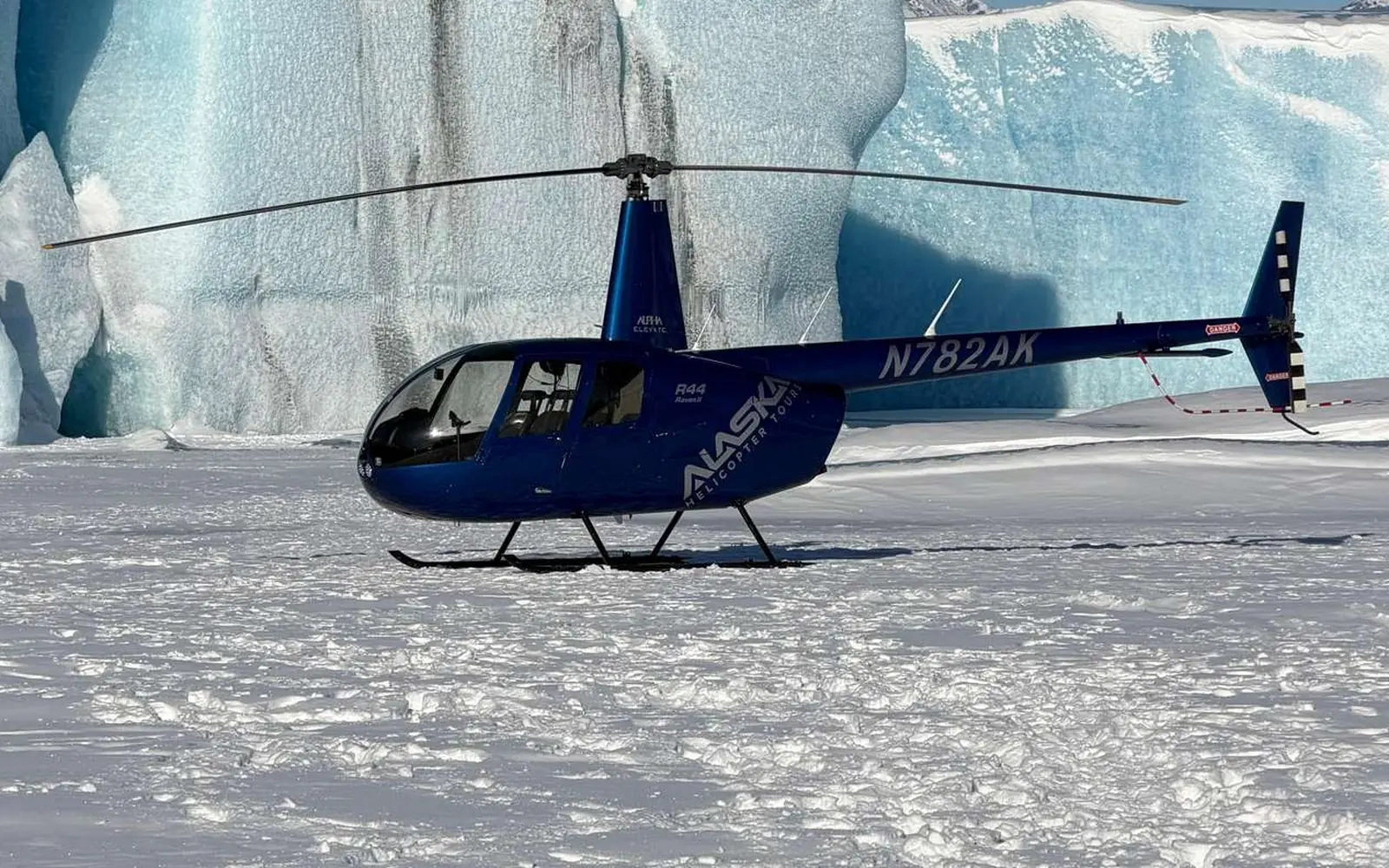
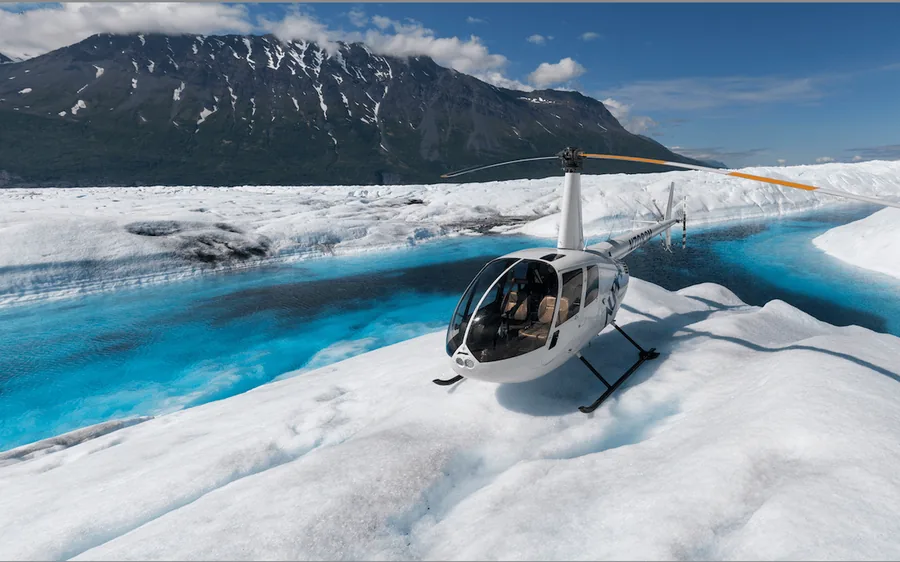
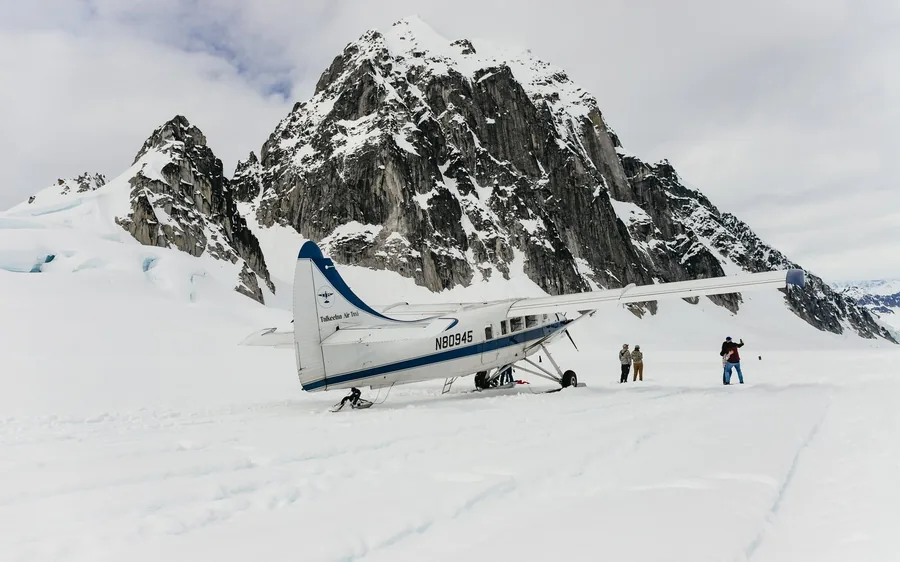
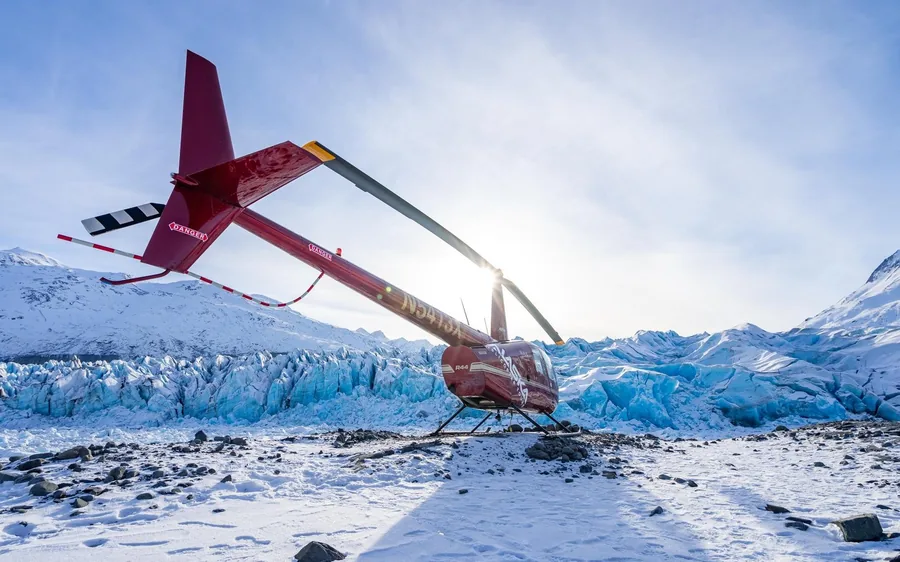
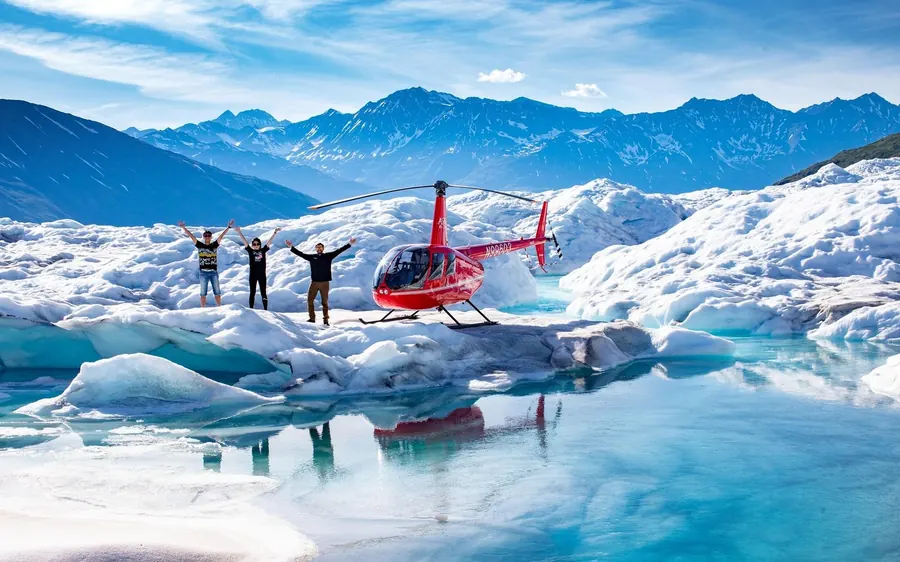
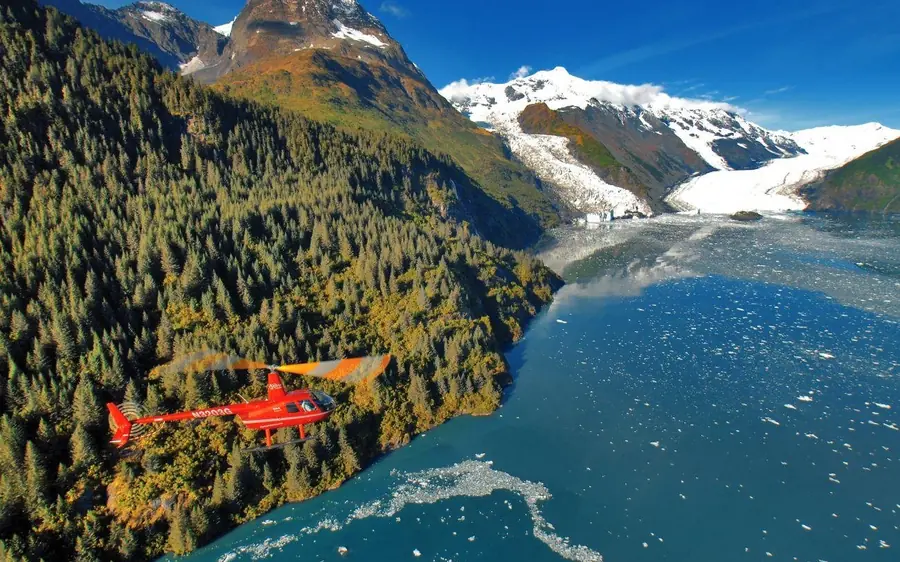
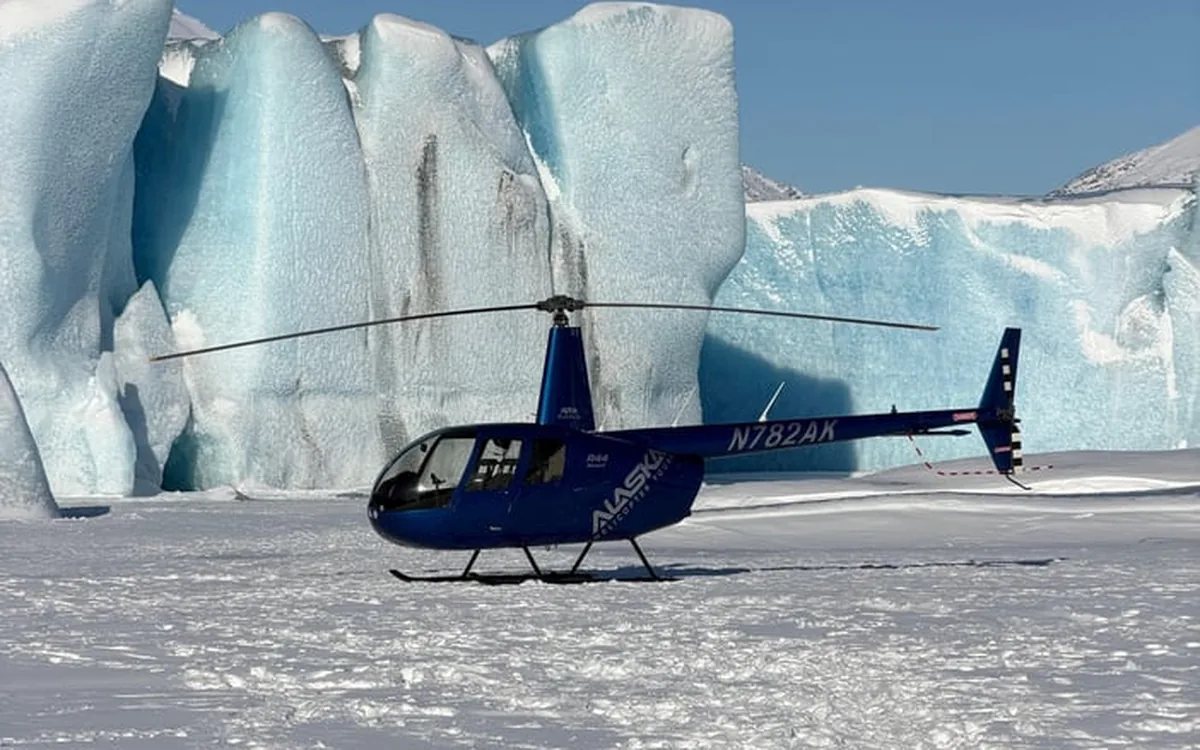
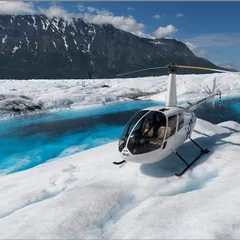
Here is the thing that decides everything else on this page, and the listings bury it in a details field: among Alaska helicopter tours, a flight is not the same product as a landing. Sightseeing from the air is lovely and you can approximate it more cheaply in a fixed-wing aircraft. A landing puts you standing on a glacier with the engine off, fifty miles from the nearest road, and there is no other way to do that. Every trip on this page that matters includes one.
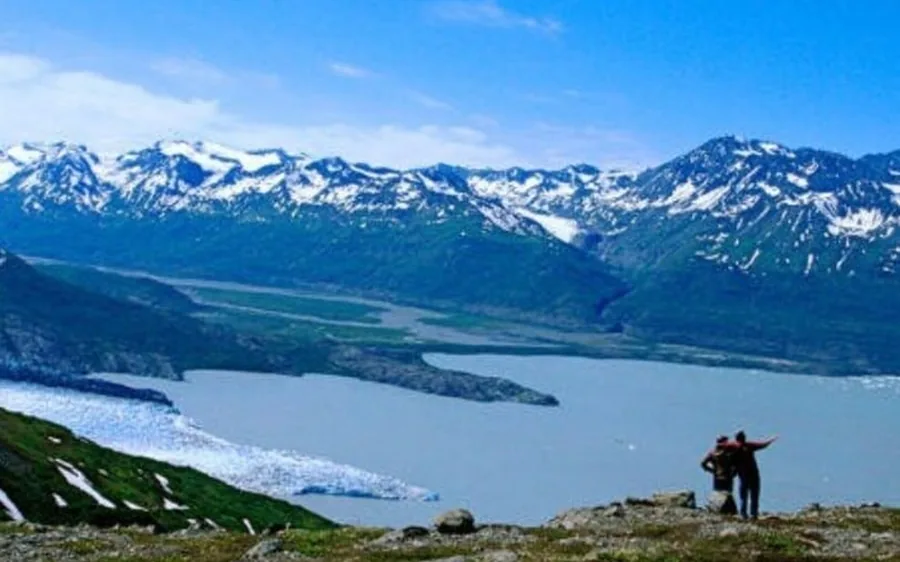
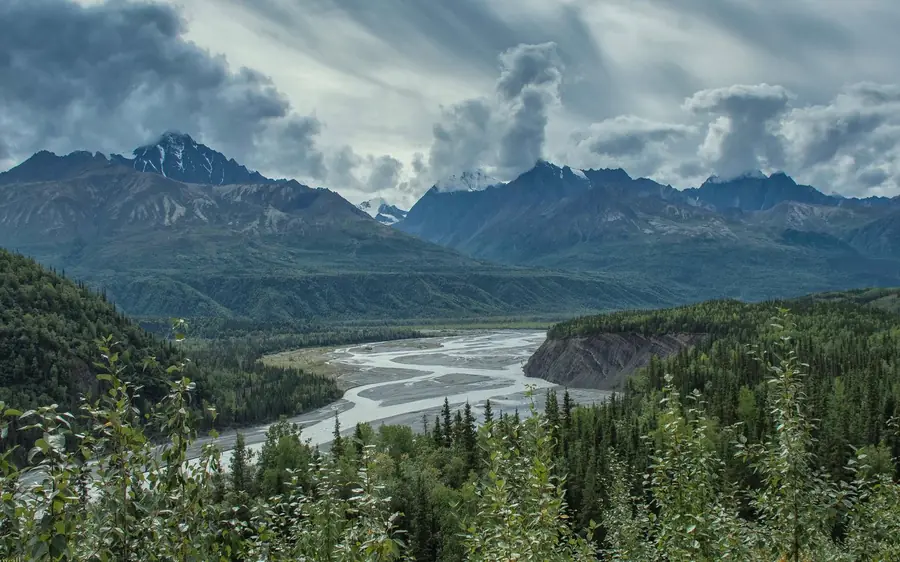
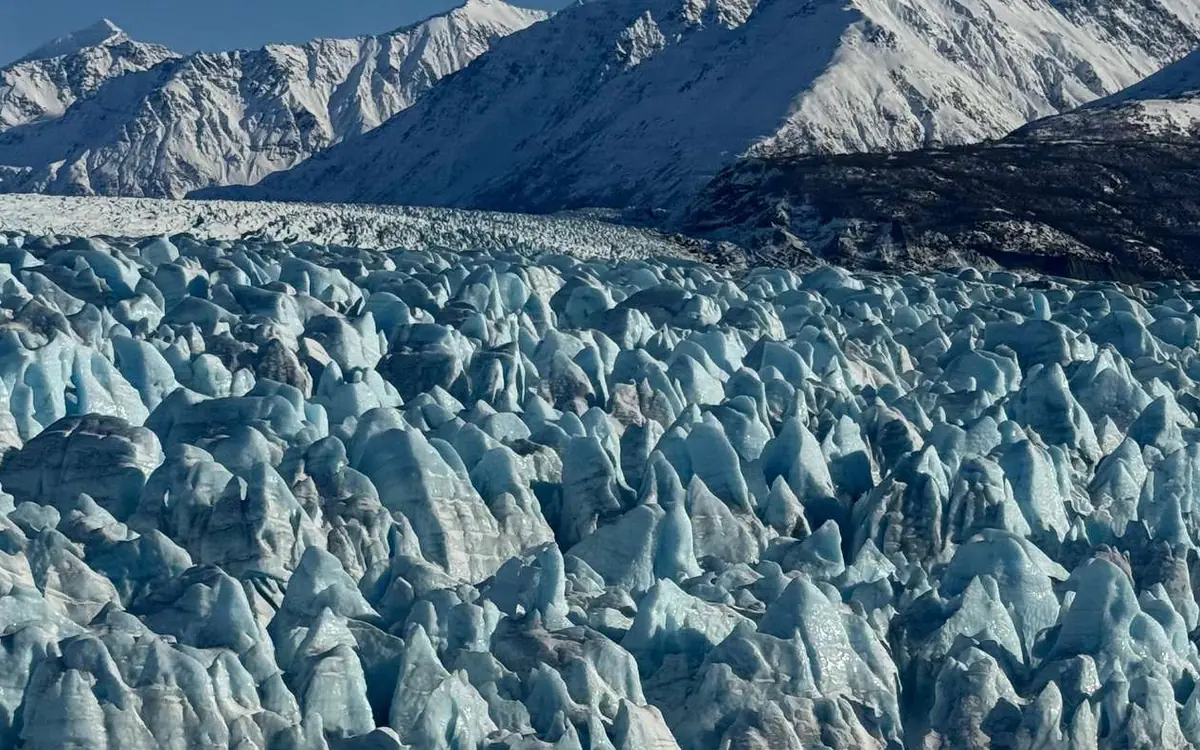
Knik Glacier is the reason the helicopters are here. It flows out of the Chugach Mountains east of Anchorage and ends in a lake full of icebergs behind a terminal moraine, near Palmer. You cannot drive to the ice. You can reach the general area on a river boat or an ATV in summer, and people do — but standing on the glacier itself is a helicopter proposition.
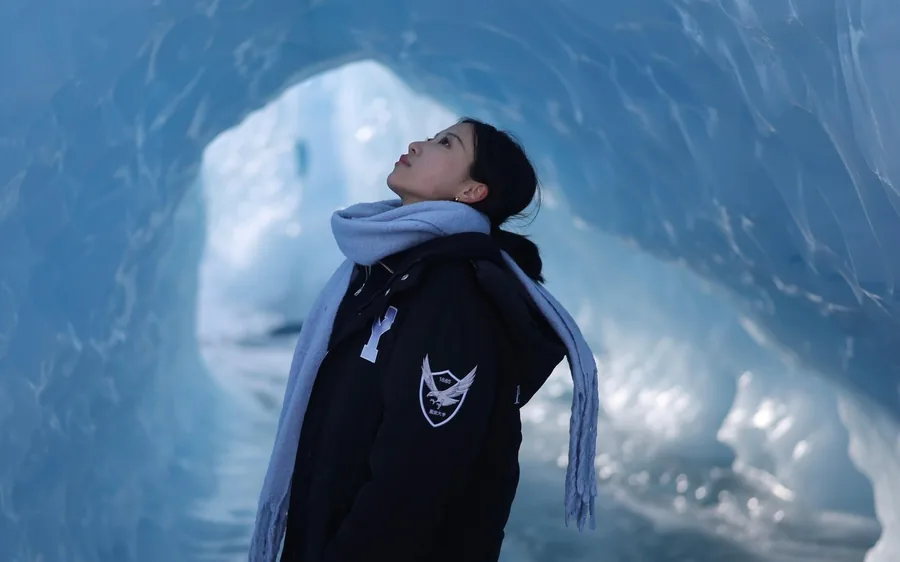
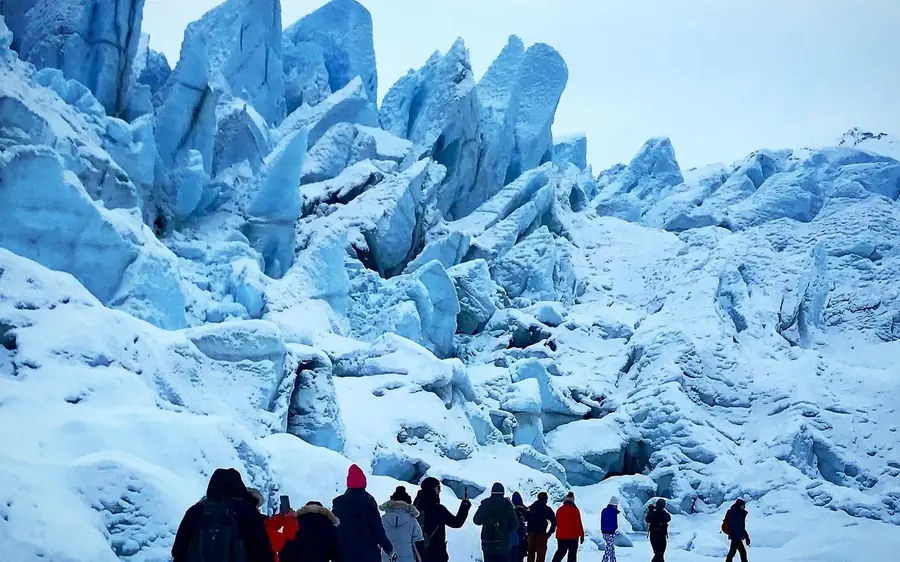
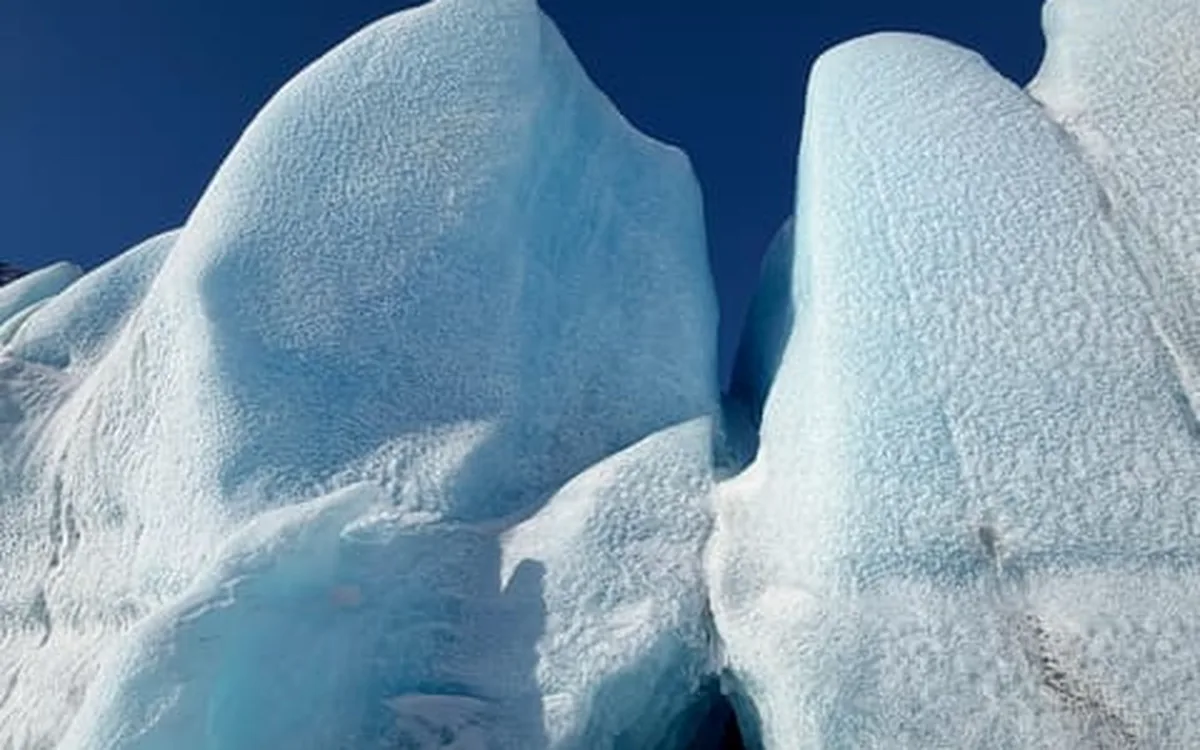
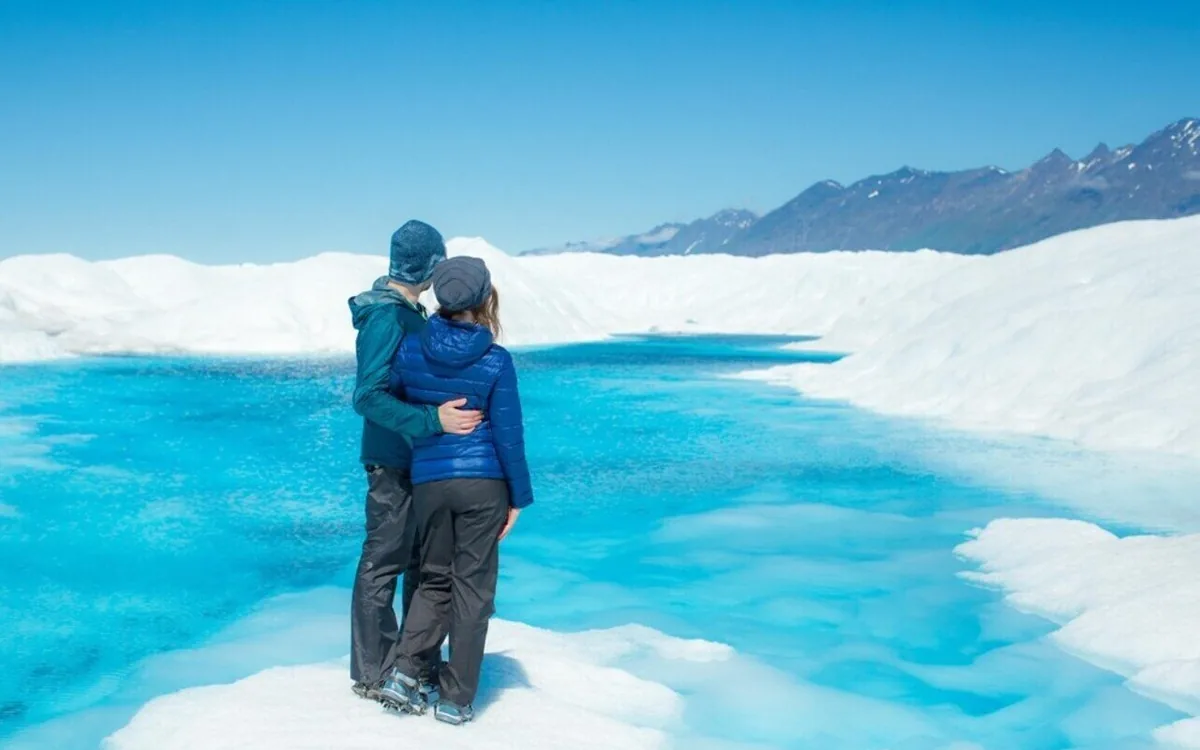
What you land on is not a smooth white field. It is a serac field: blocks of broken ice the size of buildings, separated by crevasses, with meltwater running through the middle of it in summer. The pilot picks a flat, safe spot and you stay near the aircraft. The colour is the thing nobody is prepared for — compressed glacial ice absorbs red light and throws back a blue that does not photograph the way it looks.
The other glacier on this page is Matanuska, and it is a different proposition altogether: it runs down to the Glenn Highway, so a coach parks beside it. That makes it a pleasant long day out on a roadside glacier. What it cannot give you is Knik — the serac field, the iceberg lake, the silence of a place with no road, no trail and nobody else on it. Those are only reachable one way.
A word about weather, because it is the one thing that will cost you the day. These flights are visual: the pilot needs to see the ground and the ridges. Low cloud in the valley cancels, and the decision belongs to the operator and not to you. It is also why every departure here has free cancellation, and why anyone with exactly one day in Anchorage should book early in their trip rather than late.
Weight matters more than people expect. A light helicopter is balanced passenger by passenger, and operators set limits and assign seats accordingly. Give them your real weight when you book. Nobody is judging; they are working out whether the aircraft can carry the load safely and where each person sits, and a surprise at check-in can cost someone a seat.
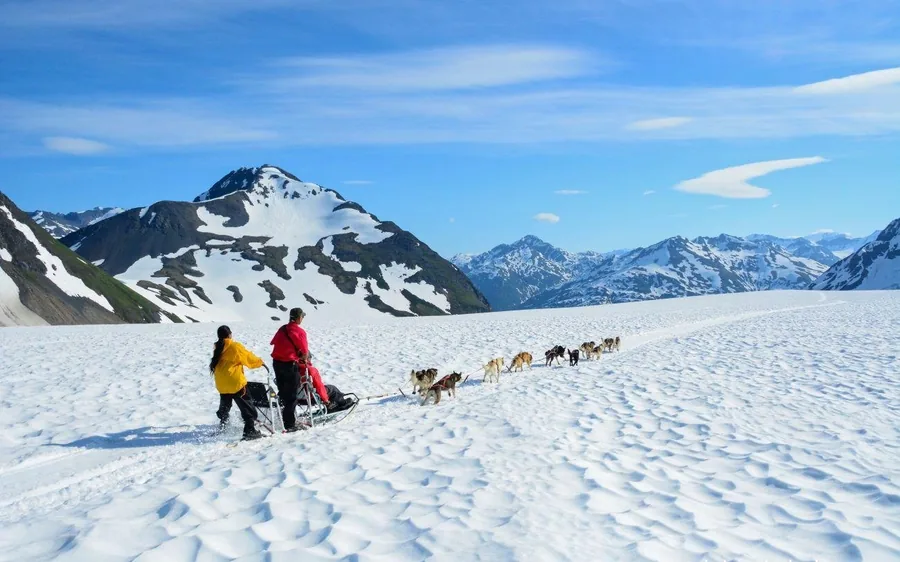
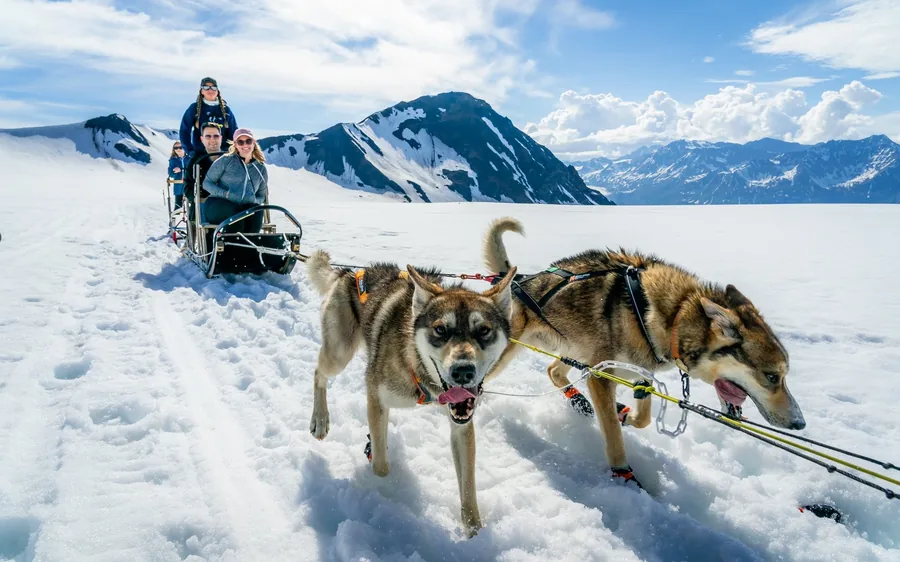
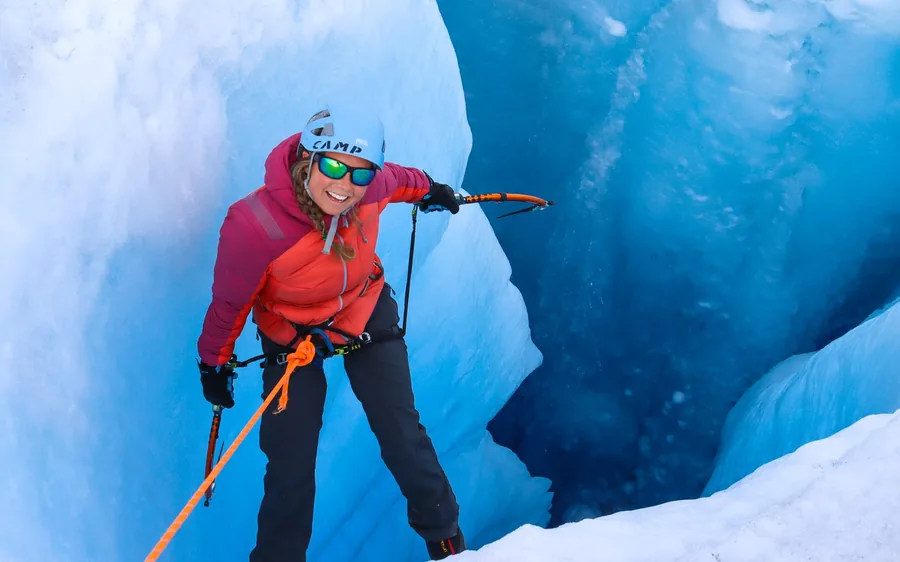
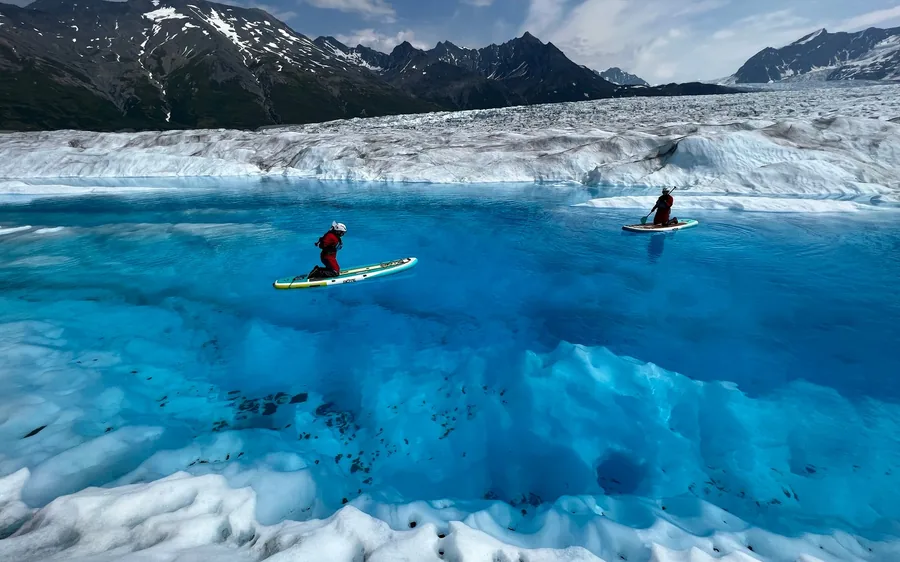
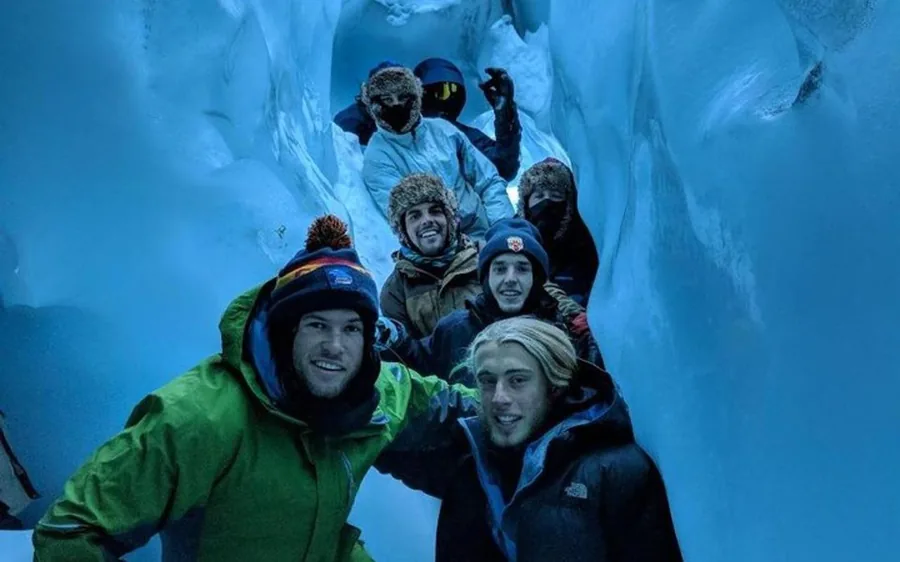
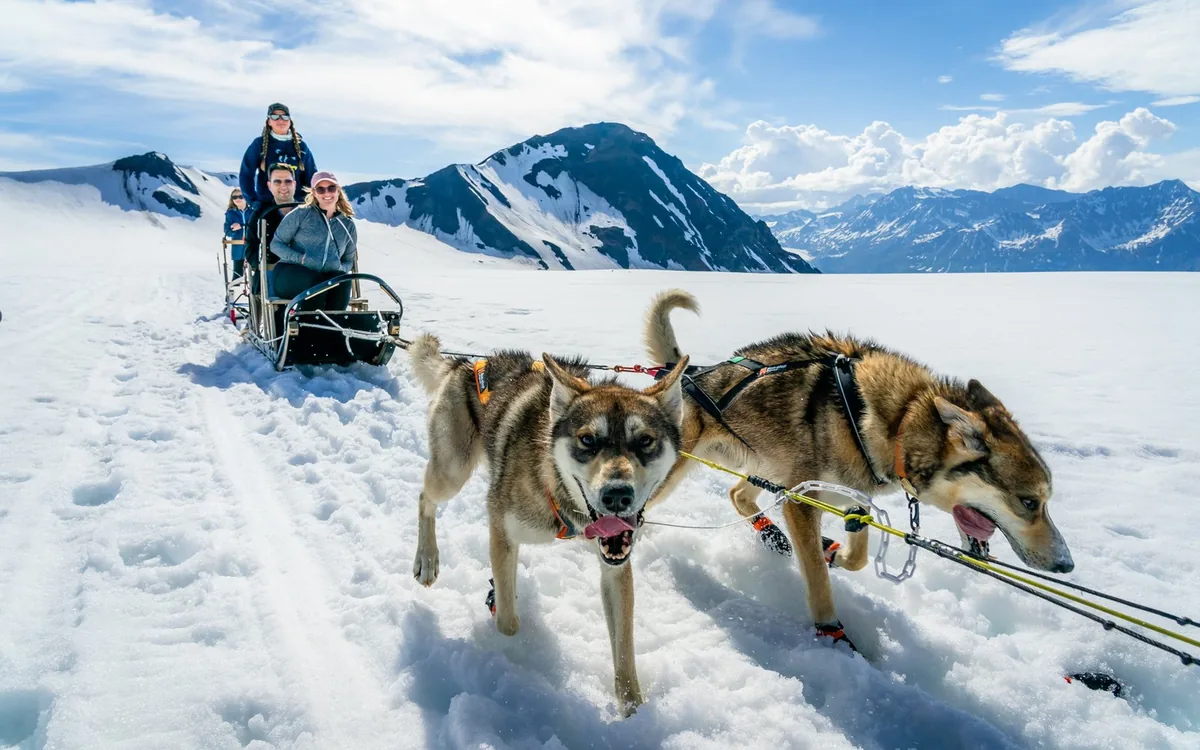
And then there is the expensive end of this page, which exists because twenty minutes on the ice is not enough for everybody. A dog team on a summer snow camp. A guided hike across the surface. A rope and a blue wall inside a crevasse. And a paddleboard on a meltwater lake with icebergs in it, which costs more than four times the standard flight and which nothing else in Alaska resembles.